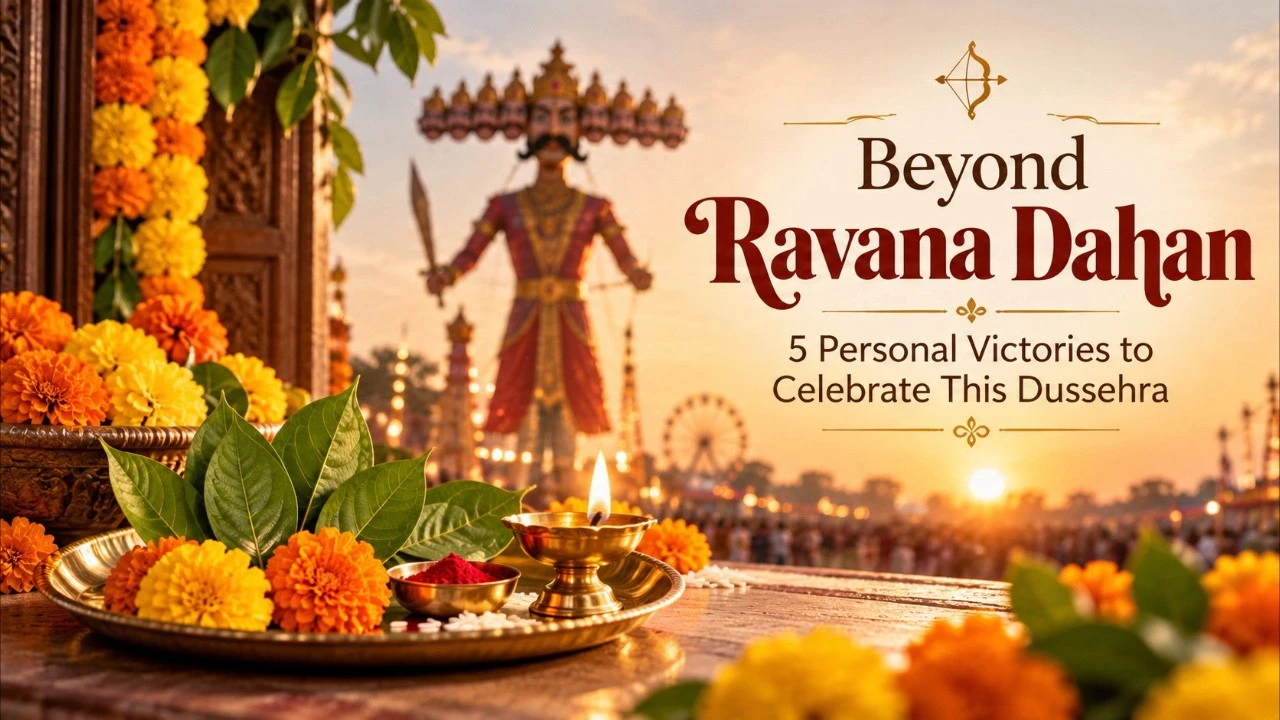
Every Dussehra, crowds gather to watch Ravana's effigy go up in flames. Children look on with excitement, families enjoy the festivities, and the familiar story of victory comes alive once again.
But when the celebrations end, an interesting question remains: what does victory look like in our own lives?
It might mean finding the courage to begin again after a disappointment. It could mean making peace with someone, acknowledging a person who helped you grow, or finally taking a step towards a long-held ambition.
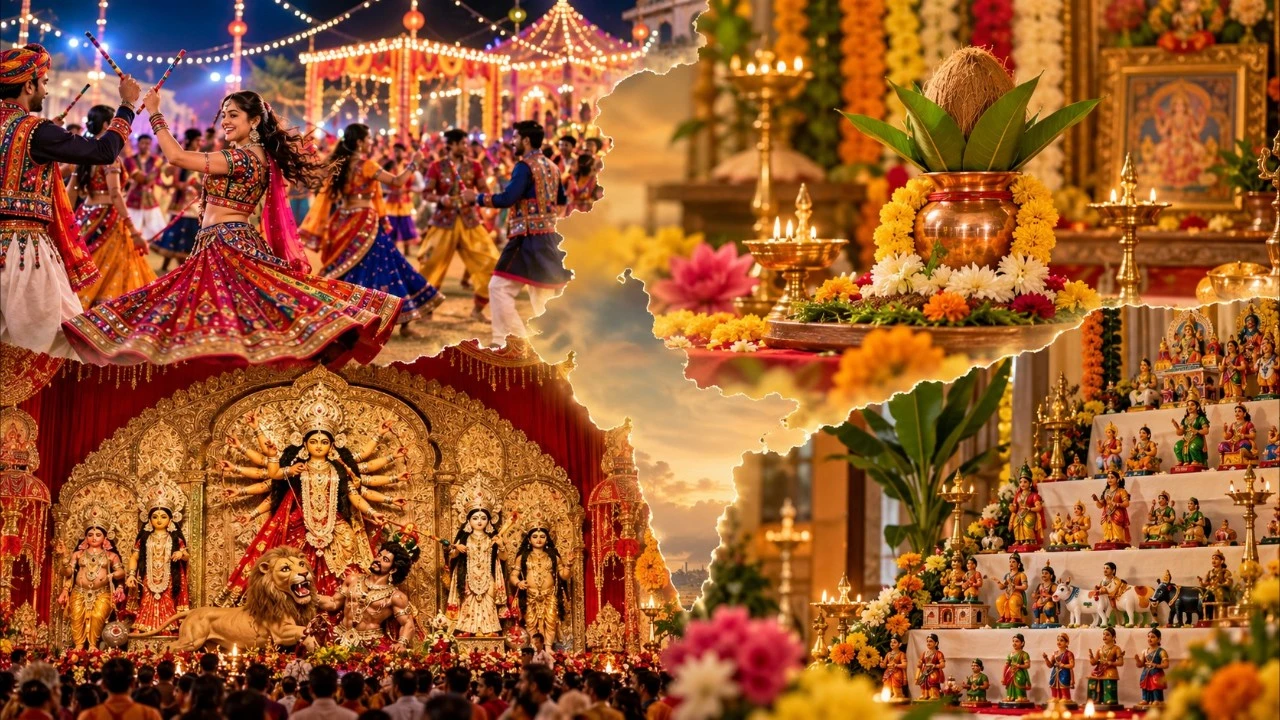
Dussehra, also known as Vijayadashami, offers an opportunity to reflect on these everyday experiences. Its traditions carry different meanings across India, with stories and rituals that celebrate courage, righteousness and the triumph over destructive forces.
This year, let's look beyond the spectacle of Ravana Dahan and explore five personal victories that deserve recognition, too.
1. The Victory of Starting Again
Starting over is not always easy. It may mean applying for a job after several rejections, returning to a goal you once abandoned, rebuilding a relationship or finding time for something you genuinely enjoy.
For many families, Dussehra is also associated with beginning new ventures and seeking blessings for future efforts. That makes it a fitting occasion to think about what you would like to do differently in the months ahead.
You do not need a grand resolution. Choose one goal, identify the first practical step and give yourself permission to learn along the way.
Perhaps a friend has decided to return to their studies. Maybe a family member is opening a business or starting a new job. Their first step may seem small, but it could represent months of preparation and uncertainty.
Make the moment count: Send them a bouquet or a personal note that acknowledges their effort. Instead of simply wishing them success, mention something specific you admire about their decision to begin.
2. The Victory of Choosing Patience Over Anger
Some of life's hardest victories happen in conversations rather than competitions.
They occur when we pause before responding, listen to a different point of view or find a constructive way through a disagreement. This does not mean accepting unfair treatment or ignoring important problems. It means choosing a response that reflects our values rather than a passing moment of frustration.
The stories associated with Dussehra offer opportunities to reflect on pride, harmful choices and the consequences of misusing power. We can carry that reflection into ordinary situations at home, at work and among friends.
Think about a relationship that could benefit from an honest conversation. If it feels appropriate, consider reaching out, acknowledging your part in a misunderstanding or giving the other person a chance to explain their perspective.
A small gesture, when appropriate: A box of chocolates or a favorite treat can accompany a friendly message when reconnecting with someone. If an apology is needed, though, address the issue directly rather than expecting a gift to resolve it.
3. The Victory of Recognizing Someone Else's Strength
We remember our achievements, but we do not always acknowledge the people who helped us reach them.
Think of the teacher who encouraged you when a subject seemed impossible, the colleague who helped you through a difficult assignment, or the friend who kept checking in during a challenging period.
Dussehra celebrations often bring people together through worship, performances, family visits and shared meals. The occasion can also prompt us to recognize the relationships that support us throughout the year.
Rather than sending a routine greeting, tell someone exactly what you appreciate about them. Recall the advice they gave you, the time they helped you, or the confidence they inspired in you.
If you are celebrating with family, a cake can make a lovely centerpiece for an afternoon together. You could also choose a suitable keepsake for someone whose support deserves special recognition.
The aim is not to turn appreciation into a grand presentation. It is to make sure the person knows that their contribution has been noticed.
4. The Victory of Valuing What You Already Have
Festive shopping can make it easy to concentrate on what we want to buy next. Yet some of the most meaningful parts of a celebration cost very little: a familiar family recipe, a visit from an old friend or a conversation with someone we rarely get to see.
Maharashtra has a particularly interesting Dussehra tradition involving Apta leaves, which are exchanged as symbolic gold. The gesture conveys goodwill and wishes for prosperity, giving a simple natural object a special place in the celebration. Practices vary across communities, so the custom is not universal throughout India.
There is a lovely idea behind this tradition: a gift's significance can come from what it represents, not its monetary value.
This Vijayadashami, consider visiting an elderly relative, calling a family member who lives far away or inviting neighbors to share a festive meal. If you exchange Apta leaves, do so respectfully and avoid damaging trees by removing excessive foliage.
For a little extra color at a family gathering, explore flowers and bouquets. A simple arrangement can brighten a room or make a thoughtful addition to a festive visit.
5. The Victory of Taking the Next Step
In parts of Maharashtra, Vijayadashami is associated with Simollanghan, a traditional observance involving the crossing of a boundary. The practice varies by community, but it offers an interesting way to think about moving beyond familiar limits.
Our own boundaries may be less visible. They could be the fear of learning a new skill, the hesitation to ask for help, or the belief that we must have everything figured out before we begin.
Progress rarely requires us to change everything at once. Sometimes, it starts with one phone call, one application, one honest conversation or one afternoon spent learning something new.
Think of someone in your life who is preparing to take an important step. You could encourage them with a message, arrange a small celebration or choose a gift that reflects their interests.
A suitable gift combo can be one option when you want to pair a treat with a keepsake. Choose something that suits the person and the occasion rather than making the size of the gift the measure of your support.
Why Dussehra Is Celebrated Differently Across India
One reason Vijayadashami remains such a fascinating festival is that its celebrations do not follow a single pattern.
In many parts of northern India, Ramlila performances bring episodes from the Ramayana to life, often culminating in the burning of Ravana's effigy. In West Bengal, Vijayadashami marks the conclusion of Durga Puja, celebrating Goddess Durga's victory over Mahishasura. Mysuru is known for its elaborate Dasara festivities, while Maharashtra has traditions that include exchanging Apta leaves and worshipping tools and instruments.
These customs reflect different regional histories, beliefs and community practices. They also provide an opportunity for families to pass their own traditions to younger generations.
Ask your parents or grandparents how they celebrated Dussehra as children. Find out which dishes were prepared, which rituals were followed and what made the day special in their hometown. You may discover a family story that deserves to be carried forward.
Looking for more ways to make your festive celebrations special? Explore our guide to 10 thoughtful Dussehra gifts that symbolize the victory of good over evil for gift ideas to share with family and friends this Vijayadashami.
Simple Ways to Make Dussehra More Meaningful
You do not need a complicated plan to make the festival memorable. Choose an activity that fits your family, your traditions and the time you have available.
Start a family tradition: Ask everyone to share one personal goal they hope to work towards in the coming year.
Reconnect with someone: Visit a relative, call an old friend or send a message to someone you have not spoken to recently.
Share with your community: Offer sweets, prepare an extra portion of a festive meal or support a local initiative.
Celebrate a new beginning: Acknowledge a family member's new job, studies, business venture or personal milestone.
Make time for gratitude: Tell someone what you appreciate about them instead of relying only on a standard festival greeting.
If you are visiting loved ones, you might also bring along a suitable festive treat. Browse cakes for a family gathering, or consider flowers and sweets when you want to combine traditional festive gifting with a colorful gesture.
Whatever you choose, keep the focus on the people and traditions that make the occasion meaningful.
Celebrate the Victory That Matters to You
The spectacle of Dussehra may last an evening, but the values associated with Vijayadashami can inspire us well beyond the festival.
Perhaps your victory is finding the courage to begin again. Perhaps it is repairing a relationship, appreciating someone's support or taking a step towards an ambition you have carried for years.
This Dussehra, make room for the traditions you cherish and the changes you hope to make. Spend time with people who matter, share your good wishes and recognize the achievements that might otherwise pass unnoticed.
If you are visiting family or sending festive wishes from afar, choose a gift that suits the person and the occasion. A bouquet, a cake or a thoughtful combination of treats can accompany your message without taking attention away from its meaning.
May this Vijayadashami bring renewed courage, closer connections and many reasons to celebrate.