Floristry is the art and practice of working with flowers and other plant materials to create decorative arrangements, bouquets, garlands, installations and other floral designs. While floristry is practiced around the world, the way flowers are grown, selected, arranged, gifted and used in ceremonies varies considerably between cultures.
In India, flowers have a particularly broad role. They appear in religious ceremonies, weddings, festivals, personal celebrations, traditional garlands, home decoration and everyday gifting. At the same time, modern floristry has introduced contemporary bouquets, flower boxes, event installations, subscription services and online flower delivery.
Indian floriculture also has an important agricultural and commercial dimension. ICAR describes floriculture as an increasingly important sector encompassing traditional loose flowers, contemporary cut flowers, dried flowers and value-added products such as bouquets, floral baskets, arrangements and garlands.
This combination of tradition, agriculture, design, commerce and technology makes Indian floristry a diverse field.
What Is Floristry?
Floristry involves the selection, preparation and arrangement of flowers and foliage for decorative, ceremonial, commercial or gifting purposes.
A florist may work with:
Fresh flowers
Dried flowers
Preserved flowers
Foliage
Branches and natural materials
Decorative containers
Ribbons and wrapping materials
Structural supports
Floral accessories
The work is more than simply placing flowers into a vase. A professional arrangement requires decisions about flower selection, color, shape, proportion, texture, seasonality, presentation and the intended use of the arrangement.
Floristry can therefore combine artistic design with practical knowledge of flowers and their handling.
Floristry, Floriculture and Horticulture
These terms are related but describe different areas.
Floriculture concerns the cultivation and commercial production of flowers and ornamental plants.
Horticulture is a broader field covering the cultivation and management of fruits, vegetables, flowers, ornamental plants and other horticultural crops.
Floristry focuses primarily on using harvested or preserved floral materials to create arrangements and provide floral products and services.
The three areas are connected. Flowers may begin with cultivation by a grower, move through harvesting and post-harvest handling, and eventually become part of a bouquet or floral arrangement created by a florist.
Floristry in India
Flowers have been associated with Indian culture for centuries. They have roles in worship, festivals, ceremonies, decoration, personal adornment and social occasions.
Traditional Indian floristry includes products such as:
Loose flowers
Garlands
Floral strings
Hair flowers
Wedding decorations
Temple decorations
Floral ornaments
Traditional arrangements
Modern floristry has expanded this range to include:
Hand-tied bouquets
Vase arrangements
Flower baskets
Flower boxes
Contemporary floral designs
Wedding installations
Corporate arrangements
Gift bouquets
Scheduled flower delivery
ICAR has documented both traditional flowers such as rose, jasmine, marigold, chrysanthemum, tuberose, crossandra and lotus and contemporary cut flowers such as lilies, gerbera, carnation, orchids and anthuriums within Indian floriculture.
India's floriculture sector also continues to develop through scientific research, improved varieties, cultivation technologies and entrepreneurship. ICAR-IARI, for example, highlighted rose and marigold research and commercial opportunities in 2026.
Traditional Flowers in Indian Floristry
One of the distinctive characteristics of Indian floristry is the importance of flowers outside the conventional Western bouquet.
Flowers may be sold individually or in bulk and then used to create garlands, decorations, offerings and ceremonial arrangements.
Marigold
Marigold is one of the most recognizable flowers in Indian cultural and ceremonial settings.
Its bright colors, availability and versatility make it suitable for:
Garlands
Festival decorations
Wedding decoration
Religious ceremonies
Venue decoration
Loose-flower use
The National Horticulture Board documents multiple marigold varieties and their characteristics, while ICAR research continues to develop improved marigold varieties and cultivation practices.
Jasmine
Jasmine has an important place in Indian floral traditions, particularly through fragrant flowers and garlands.
Different jasmine species and varieties are cultivated for different characteristics. The National Horticulture Board documents varieties of Jasminum sambac, Jasminum grandiflorum and Jasminum auriculatum, including varieties used for loose flowers and fragrance-related applications.
Rose
Roses are important in both traditional and contemporary Indian floristry.
They can be sold as loose flowers, long-stemmed flowers, bouquets, floral arrangements and decorative displays.
Modern rose cultivation also benefits from scientific breeding, irrigation, disease management and post-harvest research. ICAR-IARI has continued to conduct research and stakeholder programmes focused on rose cultivation and floriculture entrepreneurship.
Chrysanthemum
Chrysanthemums are used in both loose-flower and cut-flower applications.
Their wide range of forms and colors allows them to be used in bouquets, decorations and floral displays. ICAR has highlighted chrysanthemum as an important commercial flower crop in India.
Tuberose
Tuberose is valued for its fragrance and is used in loose flowers, garlands and other floral applications.
Lotus
The lotus has cultural and religious significance in India and can also appear in decorative and ceremonial contexts.
Orchids
Orchids are more commonly associated with contemporary and premium floral design. Their distinctive shapes and colors make them useful as focal flowers in modern arrangements.
ICAR's floriculture exhibitions have included orchids alongside roses, tuberose, marigold, chrysanthemum, jasmine and gladiolus, demonstrating the diversity of Indian flower production.
Common Flowers Used by Indian Florists
Different flowers serve different purposes depending on season, availability, design and occasion.
Flower | Common applications |
|---|---|
Bouquets, romantic arrangements, celebrations | |
Marigolds | Garlands, festivals, ceremonies and decoration |
Jasmine | Garlands, traditional arrangements and fragrance |
Contemporary bouquets and premium arrangements | |
Premium bouquets, events and modern designs | |
Mixed bouquets and long-lasting arrangements | |
Gerberas | Bright mixed bouquets and celebrations |
Chrysanthemums | Bouquets, decorations and loose flowers |
Tuberose | Garlands, traditional arrangements and fragrance |
Gladiolus | Cut-flower arrangements and decorative displays |
Flower choice is influenced by more than appearance. Florists may consider availability, stem strength, flower maturity, vase life, fragrance, colour, size and the requirements of the final arrangement.
How Florists Select Flowers
Creating an arrangement begins before the first flower is placed.
A florist considers several factors.
1. Occasion
A romantic bouquet may use a different combination of flowers from a sympathy arrangement, wedding installation or birthday bouquet.
2. Color
Color can establish the mood and visual character of an arrangement.
3. Flower Form
Flowers may be:
Round
Spiky
Delicate
Layered
Open
Compact
Tall
Drooping
Combining contrasting forms can make an arrangement more visually interesting.
4. Texture
Texture comes from petals, foliage, stems, berries, branches and other plant materials.
5. Seasonality
Flower availability changes throughout the year. Seasonal flowers can influence the design and sourcing decisions available to florists.
6. Longevity
For arrangements intended to remain attractive for several days, florists need to consider the expected post-harvest life of the flowers.
7. Destination
A bouquet designed for immediate presentation may be constructed differently from one that needs to travel before reaching the recipient.
How a Florist Creates a Bouquet
A bouquet typically develops through several stages.
Step 1: Choose the flowers
The florist selects focal flowers, supporting flowers, filler flowers and foliage.
Step 2: Inspect the flowers
Flowers are checked for freshness, damage, maturity and suitability for the design.
Step 3: Condition the stems
Unwanted leaves and damaged material are removed and stems are prepared for hydration.
Step 4: Establish the structure
The florist determines the shape, height and approximate width of the bouquet.
Step 5: Add focal flowers
Larger or visually dominant flowers can establish the main points of attention.
Step 6: Add supporting flowers
Secondary flowers provide color, volume and transitions between the focal flowers.
Step 7: Add foliage and filler
Foliage and smaller flowers can provide movement, texture and visual balance.
Step 8: Secure the bouquet
The stems are arranged and secured so that the bouquet remains stable.
Step 9: Wrap and finish
The florist selects appropriate wrapping, ribbon or presentation materials.
Step 10: Final quality check
The finished bouquet is checked from different angles before it is presented or prepared for delivery.
Principles of Floral Design
Good floral design is not simply about having more flowers.
Florists use several design principles to create arrangements that look cohesive.
Balance
Balance distributes visual weight within an arrangement.
It may be:
Symmetrical
Asymmetrical
Radial
An arrangement does not necessarily have to look identical on both sides to be balanced.
Proportion
Proportion describes the relationship between different parts of the design.
The flowers, foliage, container and overall arrangement should work together rather than appearing disconnected.
Scale
Scale concerns the size of the arrangement relative to its surroundings.
A small bouquet may suit a bedside table, while a large installation may be appropriate for an event venue.
Rhythm
Repetition of color, shape, texture or direction can guide the viewer's eye through an arrangement.
Harmony
Harmony occurs when the different components work together visually.
Contrast
Contrast can be created through differences in:
Color
Texture
Size
Shape
Form
Focal Point
Most arrangements benefit from areas that attract attention.
A focal flower, color or structural feature can establish where the eye first lands.
Space
Negative space is also part of floral design. Not every area needs to be filled with flowers.
Traditional and Modern Floristry in India
Indian floristry combines traditional practices with contemporary design.
A wedding, for example, may use traditional marigold garlands alongside modern table arrangements.
Similarly, a bouquet may combine locally familiar flowers with contemporary presentation techniques.
This creates a broad spectrum of Indian floral design, ranging from:
traditional garlands → loose flowers → classic bouquets → contemporary arrangements → large-scale event installations
There is no single style that represents all Indian floristry.
Regional availability, culture, climate, occasion and customer preferences all influence the final design.
Modern Floral Arrangement Styles
Modern floristry includes many different presentation formats.
Hand-Tied Bouquets
Flowers are arranged by hand and secured together before being wrapped.
These are common for birthdays, anniversaries, romantic occasions and everyday gifting.
Vase Arrangements
Flowers are arranged directly into a vase or container.
They can be designed for homes, offices, restaurants, hotels and events.
Flower Baskets
Baskets provide both a floral arrangement and a presentation container.
Flower Boxes
Flowers are arranged inside decorative boxes, often creating a compact and contemporary presentation.
Minimalist Arrangements
Minimalist designs use fewer flowers and place greater emphasis on shape, space and individual flower forms.
Mixed Bouquets
Multiple flower varieties and foliage are combined to create colorful arrangements with varied textures.
Event Floristry
Large installations can include:
Entrance arrangements
Table centerpieces
Stage decoration
Floral arches
Hanging arrangements
Aisle decoration
Backdrops
The design needs to account for the venue, viewing distance, lighting, event duration and installation requirements.
Flower Gifting in India
Flowers are frequently associated with emotional occasions because they can communicate a message without requiring a long explanation.
People may send flowers for:
Birthdays
Anniversaries
Friendship
Congratulations
Get-well wishes
Apologies
Weddings
Festivals
New beginnings
Sympathy
Everyday appreciation
The appropriate flower depends on the relationship, occasion, personal preference and cultural context.
Flower symbolism is not universal. Meanings can vary between cultures and historical periods, so a flower should not automatically be assigned one fixed meaning.
Choosing Flowers for Different Occasions
Birthdays
Bright and colorful flowers such as roses, gerberas, lilies and mixed bouquets can work well for celebratory arrangements.
Anniversaries
Roses are a traditional choice, particularly for romantic occasions, while mixed arrangements can provide a more personalized presentation.
Valentine's Day
Red roses are strongly associated with romantic gifting, but other colors and flower varieties can also be selected according to the recipient's preferences.
Friendship
Bright mixed flowers, yellow flowers and cheerful arrangements can be appropriate for expressing friendship.
Weddings
Wedding floristry can include bouquets, garlands, stage flowers, table arrangements, venue decoration and floral installations.
Sympathy
Flowers for sympathy are generally selected with greater attention to tone, cultural expectations and the relationship with the recipient.
Festivals
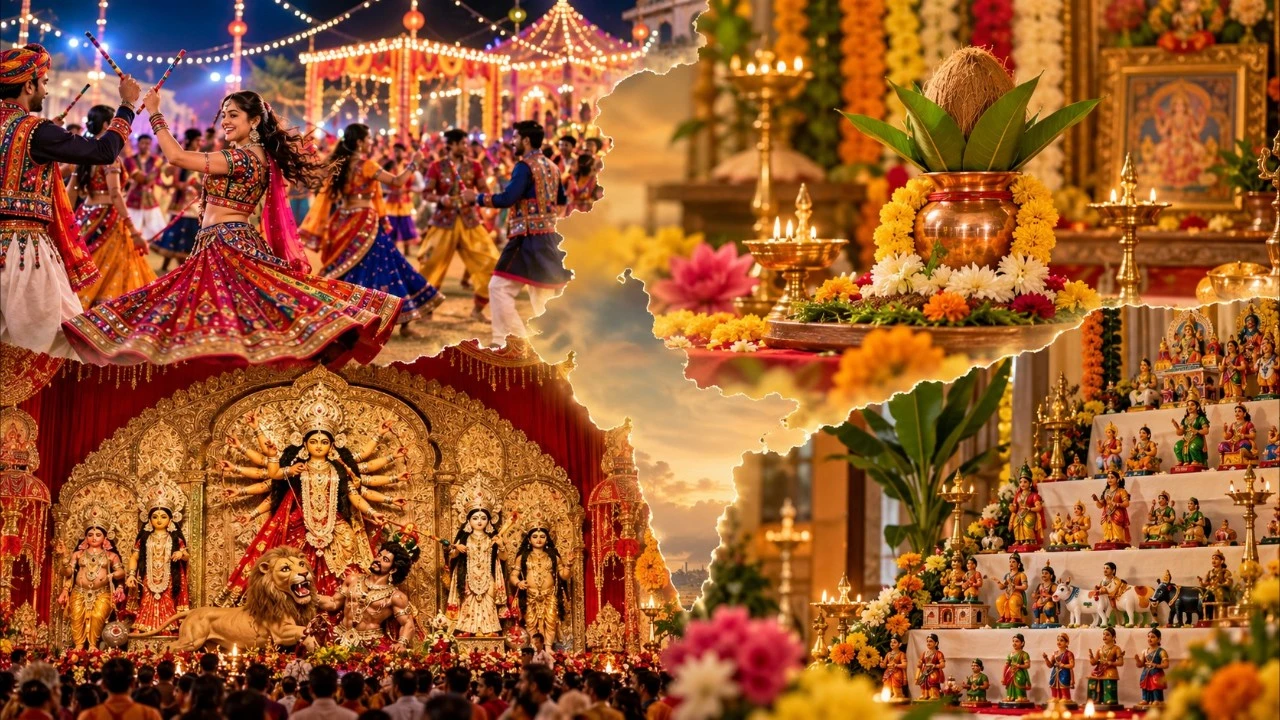
Indian festivals often involve flowers as decoration, offerings and ceremonial elements.
Flower Symbolism and Cultural Context
Flowers have acquired symbolic meanings across different cultures.
For example, roses are frequently associated with love, while lotus flowers have important cultural and religious associations in several Asian traditions.
However, symbolism should be understood as contextual rather than universal.
The same flower may communicate different ideas depending on:
Culture
Religion
Region
Color
Occasion
Historical period
Personal interpretation
This is particularly important in India, where floral customs vary between regions and communities.
Flower Care After Delivery
The quality of an arrangement depends not only on how it was made but also on what happens after it reaches the recipient.
Some general practices can help fresh flowers last longer.
Trim the stems
Freshly cutting stems can help improve water uptake.
Use a clean container
A clean vase reduces contamination that can affect water quality.
Keep water fresh
Changing the water regularly can help maintain better conditions for cut flowers.
Remove submerged foliage
Leaves sitting below the water line can deteriorate and contribute to poor water quality.
Keep flowers away from excessive heat
Direct sunlight, hot surfaces and strong heat sources can accelerate dehydration.
Avoid placing flowers near ripening fruit
Ripening fruit produces ethylene gas, which can affect some flowers.
The precise care requirements vary by flower species and arrangement.
Flower Delivery and the Importance of Post-Harvest Handling
Flower delivery presents a particular challenge because flowers are perishable.
A delivery arrangement may pass through several stages:
flower farm or supplier → sorting → conditioning → arranging → packaging → transportation → delivery → recipient
Each stage can affect freshness.
For this reason, flower delivery is not simply a transportation problem. It involves managing the condition of the flowers throughout the order process.
The time between preparation and delivery, temperature, hydration, packaging and handling can all influence the final presentation.
How Online Floristry Works
Online floristry has changed how customers purchase flowers.
Instead of visiting a physical florist, customers can:
Browse arrangements online.
Select a product.
Enter the recipient's delivery location.
Choose a delivery option.
Add a personal message where available.
Complete payment.
Receive delivery according to the selected option.
This model allows customers to send flowers even when they are in a different city from the recipient.
It is particularly useful for people sending gifts to parents, partners, friends and family members who live elsewhere.
Same-Day and Scheduled Flower Delivery
Modern online florists may offer several delivery models.
Same-Day Flower Delivery
Orders placed within an applicable time window may be prepared and delivered on the same day, depending on product and location availability.
Scheduled Delivery
Customers can choose a future date when they want the flowers delivered.
Express Delivery
Some florists offer faster delivery windows for eligible locations.
Midnight Delivery
For certain occasions and locations, midnight flower delivery can allow a birthday or anniversary surprise to arrive near the beginning of the special day.
Delivery availability depends on location, product, operating hours, inventory and other logistical conditions.
Traditional Florist Shops vs Online Florists
Both models serve different customer needs.
Traditional florist | Online florist |
|---|---|
Physical store | Website or app |
Walk-in shopping | Online browsing |
Direct consultation | Digital product information |
Local inventory | Products organized by location |
In-store selection | Catalogue-based selection |
Local delivery | City-wide or multi-city delivery |
Immediate physical inspection | Product images and descriptions |
Many modern businesses combine elements of both models.
A company may operate physical locations while also accepting online orders and coordinating deliveries.
Floristry and the Indian Flower Supply Chain
Flower production is geographically diverse in India.
The National Horticulture Board has documented different flower production systems across Indian states. For example, Maharashtra production includes roses, marigolds and chrysanthemums, while Tamil Nadu includes jasmine, roses, African marigold, tuberose and crossandra among its flower crops.
This geographic diversity is important because flowers are affected by:
Climate
Soil
Season
Water availability
Cultivation practices
Transportation
Local demand
A florist therefore works within a supply chain that begins well before the flower reaches the customer.
From Flower Farm to Bouquet
A simplified flower journey looks like this:
1. Cultivation
Flowers are grown under conditions suitable for the particular crop.
2. Harvesting
Flowers are harvested at an appropriate stage depending on their intended use.
3. Sorting
Flowers are separated according to quality, size, maturity and other characteristics.
4. Post-Harvest Handling
Flowers may be hydrated, conditioned, cooled or otherwise prepared.
5. Distribution
They move through suppliers, markets, wholesalers or direct channels.
6. Florist Preparation
The florist selects flowers for a particular arrangement.
7. Arrangement
Flowers and foliage are combined according to the design.
8. Packaging
The arrangement is protected and prepared for presentation.
9. Delivery
The finished product reaches the recipient.
Every stage provides an opportunity either to protect or reduce flower quality.
Sustainability in Floristry
Sustainability has become an increasingly important topic within modern floristry.
The Sustainable Floristry Network identifies areas including flower sourcing, waste reduction, ethics and communication as important considerations for sustainable floral businesses.
Potential sustainability practices include:
Using seasonal flowers
Choosing locally available flowers where practical
Reducing unnecessary packaging
Reusing suitable containers
Composting uncontaminated plant material
Reducing single-use materials
Considering the complete life cycle of materials
Choosing suppliers with responsible practices
Seasonality is particularly relevant because the environmental impact of a flower can involve cultivation, refrigeration, transportation and other stages of its journey.
The Sustainable Floristry Network recommends considering local and seasonal flowers where possible as part of more sustainable floristry.
Floral Foam and Sustainable Floral Design
Floral foam has historically been an important tool for securing and hydrating flowers in arrangements.
However, its environmental impact has become an important subject within the floristry industry.
The Sustainable Floristry Network describes conventional floral foam as a single-use plastic material and recommends moving toward alternative mechanics and designs that reduce waste.
Alternatives can include different forms of:
Chicken wire
Reusable mechanics
Natural structural materials
Flower frogs
Alternative support systems
The appropriate method depends on the arrangement and practical requirements.
Sustainable floristry does not simply mean replacing one product with another. The complete life cycle of materials—from production and transportation to use and disposal—needs to be considered.
Sustainable Flower Choices for Customers
Customers can also influence the sustainability of floristry.
When ordering flowers, customers can consider:
Whether seasonal flowers are available
Whether packaging can be reused or recycled
Whether the arrangement uses unnecessary single-use materials
Whether the flowers are sourced responsibly
Whether the container can be reused
How the flowers can be disposed of after their useful life
The Sustainable Floristry Network specifically encourages consumers to think about the environmental impact of their flower purchases.
Technology and Modern Floristry
Technology has changed several parts of the flower industry.
Today, technology can be used for:
Online ordering
Digital catalogues
Inventory management
Delivery coordination
Customer communication
Personalization
Product photography
Order tracking
Digital payments
Marketing
Technology also affects production and supply chains.
Modern floriculture increasingly uses scientific approaches to cultivation, irrigation, crop management, post-harvest handling and variety development. Recent ICAR programmes demonstrate the continuing role of research and technology in Indian floriculture.
Personalization in Modern Flower Gifting
One of the major changes brought by online gifting is the ability to combine flowers with other gifts.
A customer may choose:
Flowers
Cakes
Chocolates
Teddy bears
Personalized mugs
Cushions
Gift baskets
Gift combinations
Personalized messages can also make a floral gift more specific to the recipient.
The underlying purpose remains the same: using flowers and gifts to communicate something meaningful to another person.
Floristry for Weddings and Events
Event floristry is significantly different from a standard gifting bouquet.
A wedding or large event may require:
Bridal bouquets
Boutonnieres
Garlands
Stage arrangements
Table centerpieces
Floral arches
Entrance decoration
Hanging installations
Aisle decoration
Reception arrangements
Event florists must consider both aesthetics and logistics.
The arrangement needs to survive transportation, installation and the duration of the event while also working within the venue's dimensions and lighting conditions.
Floristry for Corporate Spaces
Flowers can also be used in:
Offices
Hotels
Restaurants
Retail stores
Conferences
Exhibitions
Corporate events
Corporate arrangements generally need to complement the environment rather than overwhelm it.
The scale, color palette, container and maintenance requirements can all influence the design.
The Role of Florists in Modern Gifting
Although online ordering has changed how customers purchase flowers, the florist remains central to the process.
The florist's work can involve:
Understanding customer requirements
Selecting suitable flowers
Checking flower quality
Designing arrangements
Conditioning flowers
Preparing gifts
Packaging
Coordinating delivery
Advising customers on flower care
A florist therefore connects the customer with the physical flower product.
The online interface may make ordering easier, but the quality of the final arrangement still depends on the people, flowers and processes behind the order.
Choosing the Right Floral Arrangement
When choosing flowers, customers can consider five simple questions:
1. What is the occasion?
A birthday, anniversary, wedding and sympathy occasion may call for very different designs.
2. What does the recipient like?
Personal preference can be more important than traditional symbolism.
3. What is available?
Seasonal availability may influence flower selection.
4. How will the flowers be presented?
Consider whether the flowers will be placed in a vase, carried, displayed at an event or delivered as a gift.
5. How quickly do they need to arrive?
For delivery orders, the location and selected delivery option can affect which arrangements are available.
BetterGiftFlowers and Modern Floristry
BetterGiftFlowers™ combines traditional flower gifting with online ordering and delivery.
The platform offers flowers alongside cakes, chocolates, personalized gifts and gift combinations for occasions such as birthdays, anniversaries, weddings, festivals and other celebrations.
Its flower offering includes bouquets and floral arrangements designed for gifting, while its online model allows customers to order flowers for delivery in cities across India.
BetterGiftFlowers currently serves customers across 650+ cities in India and operates physical locations in Nagpur, Pune, Navi Mumbai and Patna. It has also recently expanded its delivery services internationally.
The broader development of online floristry means that a customer can select a floral gift from one city and arrange delivery to someone living in another.
For example, someone living in Bengaluru can order flowers for a family member in Nagpur, or someone living outside India can arrange a gift for a recipient in an Indian city.
This ability to connect distant customers and recipients is one of the defining characteristics of modern online gifting.
The Future of Floristry in India
The future of Indian floristry is likely to involve a combination of traditional practices and modern technology.
Several developments are already shaping the sector:
Improved flower varieties
Better cultivation techniques
Scientific post-harvest management
Online ordering
Faster delivery networks
Personalized gifting
Digital payments
Sustainable design practices
Greater interest in seasonal flowers
New floral presentation styles
At the same time, traditional uses of flowers remain important.
India's floriculture research ecosystem continues to work on flower crops, improved varieties, cultivation practices and entrepreneurship. ICAR's horticultural research network includes dedicated work covering floriculture and ornamental crops.
This means the future of floristry does not necessarily require choosing between tradition and technology.
The two can develop together.
Conclusion
Floristry sits at the intersection of nature, agriculture, design, culture and human connection.
In India, that intersection is particularly diverse. Traditional garlands and festival flowers exist alongside contemporary bouquets, wedding installations, premium arrangements and online flower delivery.
The flowers themselves may be centuries old, but the ways people cultivate, arrange, purchase and send them continue to evolve.
Modern Indian floristry therefore represents both continuity and change: traditional flowers and cultural practices remain important, while technology, online commerce, improved cultivation and sustainable design are creating new possibilities for the industry.
For customers, the result is a wider range of ways to use flowers—not only as decoration, but also as a way to celebrate occasions, maintain relationships and send thoughtful gifts across distances.